


 Nitrogen in Tyres? Do you use it?
HOW NITROGEN WORKS & WHAT IT DOES
TYRE SAFETY - EVERYTHING RIDES ON IT
Nitrogen(N2) makes up the majority of the air that we breathe (78%) and is contained in the protein of all life on earth. It is colourless, tasteless and non-toxic. The next most common component of air is oxygen (O2). Together N2 and O2 make up approximately 99% of the air that we breathe and with which we traditionally fill tyres.N2 IS A LARGER MOLECULE THAN O2
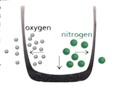
Therefore, it cannot and does not permeate as easily as oxygen through porous material such as a rubber tyre wall. Leaking at a much slower rate than oxygen, a tyre filled with a higher percentage of N2 maintains its proper pressure roughly three to four times longer than air-filled tyres. Proper inflation provides better fuel economy, superior handling, longer tyre life and increased safety by reducing the likelihood of low pressure related loss of control, blowouts and other tyre failures.
N2 IS A DRY INERT GAS
O2 in a tyre provides unwanted oxidation. Over time, this reaction destroys the tyre wall and corrodes wheels. A tyre is prematurely aged by O2 from the inside-out as the pressurized air in the tyre makes the O2 try to escape through the tyre wall, speeding up the damaging oxidation process. N2 on the other hand, is a harmless inert gas that does not react negatively with the tyres and wheels. N2 filled tyres also reduce tyre heat, thereby decreasing rolling resistance and increasing fuel economy.
N2 IS NON-FLAMMABLE
O2 is a flammable gas while N2 is an extinguishing gas. Thus, a large number of mass transportation companies around the world fill their tyres with N2 for added fire and explosion safety. In a vehicle fire, ruptured air-filled tyres fuel the fire. N2 filled tyres slow the fire.
N2 has been used in tyres for many years on aircraft, military vehicles, off-road trucks, race cars and
Tour de France bicycles.
NITROGEN INFLATED TYRES ARE SAFER and LONGER LASTING THAN TYRES INFLATED WITH "WET OXYGEN" in COMPRESSED AIR
Nitrogen inflated tyres do not age as quickly as air inflated tyres.
Nitrogen inflated tyres improve vehicle handling through proper inflation and constantly maintained pressure.
Nitrogen inflated tyres minimize blowouts.
Nitrogen is an inert, non-combustible and non-flammable gas.
Nitrogen is a stable gas providing more constant pressure.
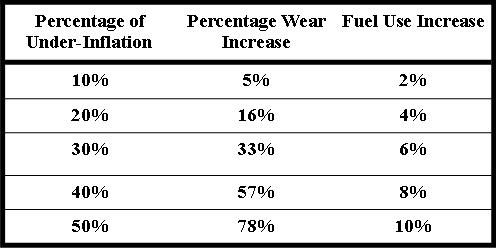
THE EFFECTS of UNDER INFLATION ON TYRE WEAR and FUEL USE
It is also the single most overlooked item recognized by service agents during maintenance visits. It is not uncommon to have to add inflation pressures to all tyres.
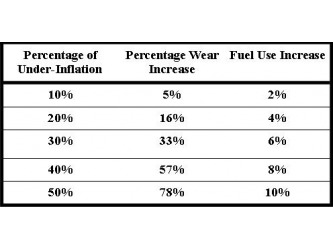
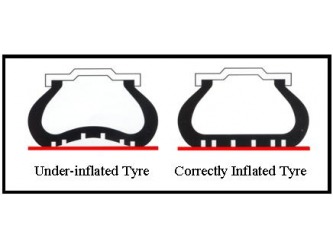
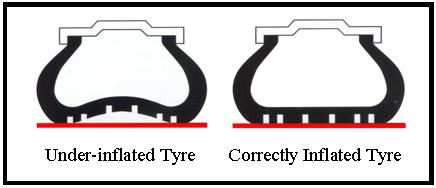
Correct inflation is highly significant when considering tyre life and performance. It is not always possible to look at a tyre and detect under-inflation. However, under-inflation can cause many tyre related problems. As inflation pressure largely determines a tyre’s load capacity, under-inflation results in an overloaded tyre. An under-inflated tyre operates at high deflection resulting in decreased fuel economy, sluggish handling and may result in excessive mechanical flexing and heat build up, leading to tyre failure.

 Reply With Quote


 Originally Posted by PostmanDan








 Nitrogen for your tyres !!!!

